Why Are Standard Filters a Weak Point in High-Temperature Lines, and How Does MultiTherm Thread Address This?
In high-temperature operations, filter failure can result not only in reduced air quality, but also in product defects, additional cleaning, rework, or unplanned production line shutdowns.
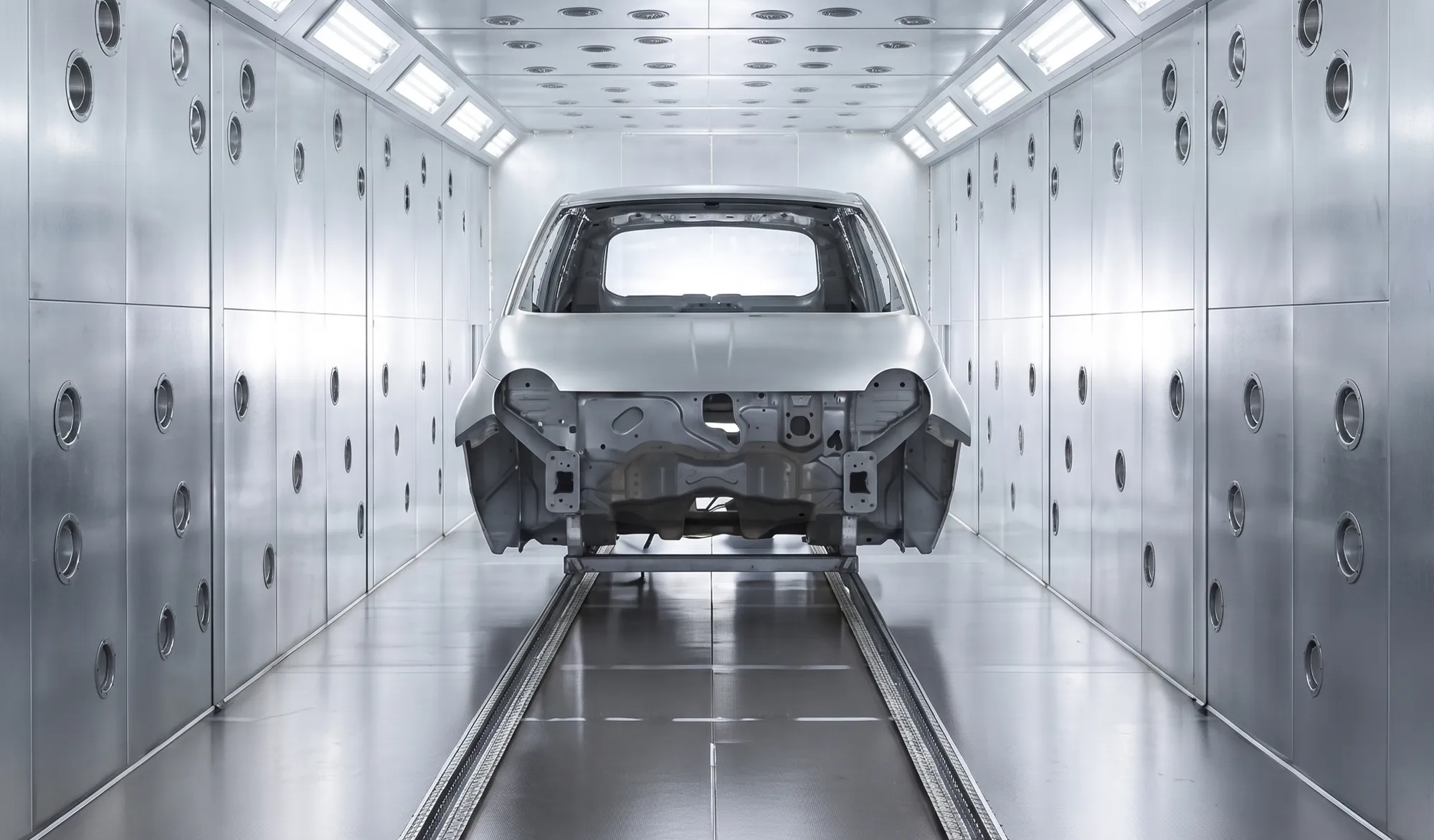
In many industrial operations, air quality plays a critical role in the quality of the final product. This is particularly true for paint shops, drying and curing ovens, surface treatment lines, and other manufacturing processes where hot air comes into direct contact with the product—whether in the automotive industry, the food industry, or other manufacturing sectors. In these applications, even a small amount of particles in the air can cause surface defects, deposits, or other problems that lead to rework and increased operating costs.
At the same time, filters in these environments operate under conditions that place significantly higher demands on them than standard HVAC applications. At high temperatures, they must maintain their mechanical stability, airtightness, and filtration performance over the long term. If a filter deforms or begins to lose its properties, it affects not only air quality but also the reliability of the entire manufacturing process.
Another important issue is pressure drop. The higher the filter resistance, the greater the load on the fans and the higher the system’s operating costs. Once a filter reaches its final pressure drop, it must be replaced, which requires maintenance and, in some cases, may limit operations. For operators of high-temperature lines, therefore, it is not only the filtration efficiency itself that matters, but also the filter’s service life and its performance during long-term operation.
Designed for high temperatures and a long service life
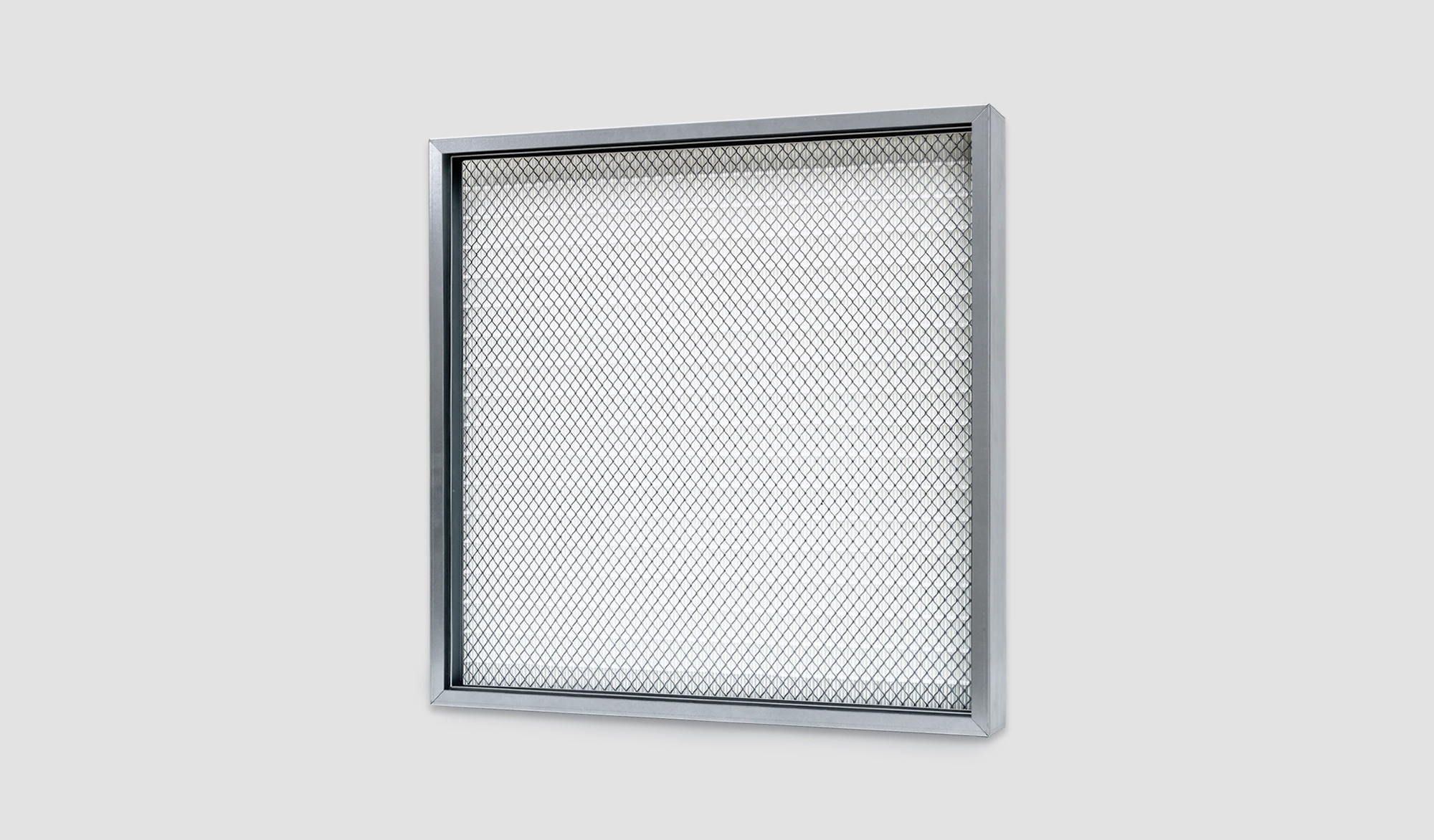
Mini-pleat technology allows for a large filtration area to be created within a compact frame. This makes it possible to achieve high dust-holding capacity with low initial pressure drop. Lower air resistance reduces the load on fans, lowers energy consumption, and simultaneously extends the operating time before the final pressure drop is reached. Furthermore, the large filtration area contributes to high contaminant capture capacity, which supports a long filter service life and extends replacement intervals.
The filter’s design also takes demanding operating conditions into account. Its high mechanical stability allows for use even in applications with turbulent airflow, and its robust construction facilitates integration into existing furnaces and air ducts with limited installation space.
„On high-temperature production lines, filter failure doesn’t just mean contaminated air. It means defective products, additional cleaning, and, above all, lost production time. The lower pressure drop of the mini-pleat design gives customers more operating hours before reaching the filter replacement limit, while the filters maintain their performance even at high temperatures. This means higher productivity and less downtime,” said Václav Ježek, Sales Director for the Czech Republic.
For operators of paint shops, drying ovens, surface treatment lines, or other high-temperature applications, MultiTherm Thread offers a solution that helps maintain consistent production quality, reduce the load on ventilation systems, and minimize unplanned downtime associated with filter replacement.